Why Your Mouth Smells Bad Even After Brushing and How to Fix It Forever
Your mouth can smell bad after brushing because bacteria linger on the tongue, gaps between teeth, and dry mouth still breed odor. Clean the tongue with a scraper, floss daily, and brush for two minutes with fluoride toothpaste plus a non-alcohol antiseptic rinse. Stay hydrated, chew sugar-free gum, and limit dairy or sulfur-rich foods if they trigger odor. If the odor persists, underlying dental issues may exist. Keep reading to learn more steps and why they matter.
Key Takeaways
- Bad breath after brushing often comes from tongue coating and biofilms; clean the tongue with a scraper daily.
- Dry mouth reduces saliva’s cleansing effect; sip water, chew sugar-free gum, and manage meds causing dryness.
- Persistent odor may signal gum disease or tartar buildup; seek dental cleaning and check for periodontal issues.
- Alcohol-based rinses mask odor; use non-alcoholic antiseptics and maintain brushing, flossing, and tongue cleaning.
- Diet and hydration matter; limit sulfur-rich foods, drink water between meals, and address underlying GI or dental problems with a professional.
Understanding Bad Breath: What’s Really Happening in Your Mouth
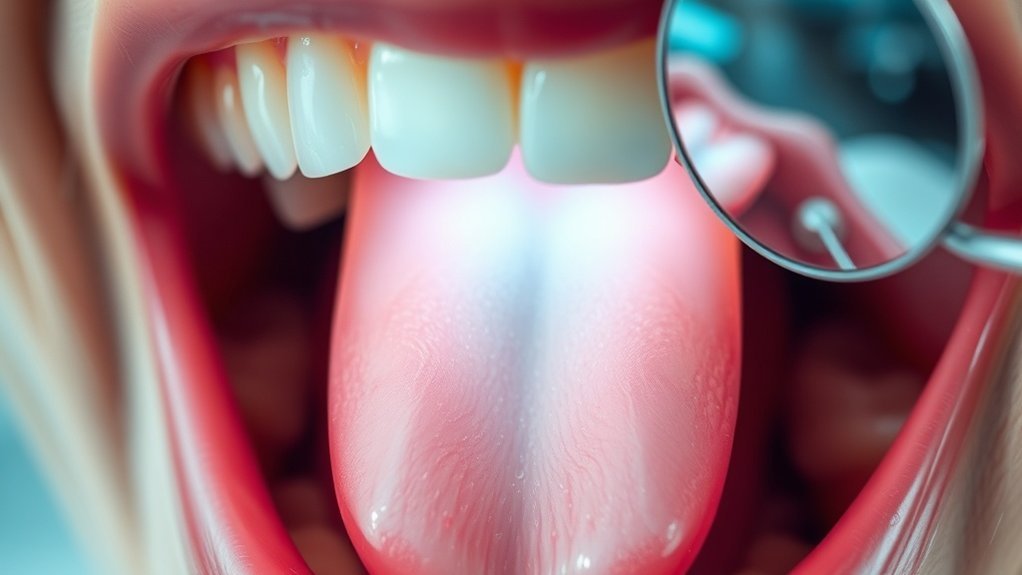
Bad breath, or halitosis, arises when anaerobic bacteria break down proteins in the mouth, releasing volatile sulfur compounds that you can smell.
You’ll see the core players in your mouth as the oral microbiome, a dynamic community that reflects your habits, health, and environment. This community interacts with saliva, food particles, and mucosal surfaces, shaping odor production.
When balance shifts—due to reduced saliva flow, inflammatory conditions, or plaque buildup—the breath impact intensifies. You may notice odors stronger on awakening or after meals, or with certain diets.
Understanding these mechanisms helps you target sources: microbial metabolism, substrate availability, and local conditions.
Effective management relies on mechanical cleaning, hydration, and monitoring changes in symptoms to prevent persistent malodor.
Common Culprits Behind Persistent Odor
Common culprits behind persistent odor include lingering plaque and tongue coating, which harbor odor-producing bacteria; dry mouth from insufficient hydration or certain medications; and diet factors such as sulfur-rich foods or persistent high-protein intake.
You should assess oral hygiene routines and identify gaps that allow bacterial imbalance to persist. Mouth smells persist when brushing alone misses plaque on the tongue and along gum margins; hydration and saliva flow also influence odor by diluting odorants.
| Factor | Effect on odor |
|---|---|
| Plaque/tongue coating | Bacteria produce volatile sulfur compounds |
| Dry mouth | Reduced saliva, concentration of odors |
| Diet | Sulfur-containing foods amplify odor |
| Hydration | Higher saliva reduces odor |
| Medications | Certain drugs reduce saliva production |
The Role of Tongue Bacteria and How to Tackle It

Tongue bacteria contribute to odor by forming biofilms and producing volatile compounds on the tongue surface.
You’ll want to recognize the main culprits on the tongue, what triggers their growth, and how targeted cleaning disrupts these processes.
Start with specific brushing or scraping techniques and proceed to tailored cleaning strategies that fit your routine and oral health needs.
Tongue Bacteria Overview
Bacteria on the tongue play a central role in mouth odor, shaping both the intensity and longevity of halitosis.
You’ll find a diverse biofilm across the dorsum, with anaerobic species driving sulfur compounds that cause odor. In healthy mouths, balance prevails, but a bacterial imbalance can amplify malodor even after brushing.
Focused tongue scraping disrupts this biofilm, removing the bulk of odor-producing microbes and reducing substrate for volatile sulfur compounds. Regular scraping supports fresh breath between cleanings and helps maintain a more stable microbial environment.
Pair scraping with good oral hygiene and hydration to limit residue that fuels odor. Monitor changes over days to weeks; persistent odor may indicate additional factors requiring professional assessment.
Causes on the Tongue
Tongue-associated odor primarily stems from the bacteria that form and metabolize on the dorsum.
On the tongue, biofilm creates tongue coating, a thin layer where microbes thrive. Bacteria buildup produces volatile compounds—putrescine, cadaverine, and sulfur compounds—that drive malodor. You’ll notice more odor when hygiene misses the dorsum or when saliva flow is reduced, allowing anaerobic bacteria to flourish.
Regular mechanical cleaning disrupts the biofilm and limits substrate availability for smell-producing species. Use a firm, but gentle strokes to clean from back to front, rinsing between passes. Avoid aggressive scraping that can injure the tissue.
Alcohol-based mouthwashes may transiently mask odor but won’t reliably alter the tongue microbiome. Consistent, targeted tongue cleaning reduces tongue coating and minimizes bacteria buildup, supporting fresher breath.
Targeted Cleaning Strategies
If you’re aiming to disrupt odor-causing biofilms, focus on targeted cleaning that directly reduces the bacteria on the dorsum and beneath the coating.
Begin with a disciplined routine: rinse to loosen debris, then use a targeted mouthwash that reaches microgrooves and hidden colonies. Pair this with deliberate brushing of the tongue’s surface, applying steady pressure for 15–20 seconds.
Choose effective tongue scrapers designed to remove biofilm without injuring tissue, scraping from the back to the tip in multiple passes. Don’t neglect beneath the coating; lift and scrape to expose underlying layers.
Complement mechanical action with a non-alcoholic rinse to minimize irritation. Integrate weekly, routine use of targeted mouthwash and effective tongue scrapers for sustained odor control.
Dry Mouth Dangers: How Saliva Impacts Fresh Breath
Saliva plays an essential role in maintaining mouth cleanliness and fresh breath by washing away food particles and neutralizing acids. You’ll notice that reduced saliva production, especially during dry mouth, raises bacterial activity and increases foul odors. When mouth hydration declines, acids linger longer, promoting enamel wear and persistent bad breath. You should monitor cues like thirst, sticky tongue, or difficulty swallowing, then act with targeted hydration strategies and sugar-free moisture options. Maintain saliva production by chewing sugar-free gum after meals and sipping water regularly. This approach supports plaque control and neutral pH, improving overall breath quality.
| Column A | Column B | Column C |
|---|---|---|
| saliva production | mouth hydration | fresh breath stability |
| Stimulates buffering | Maintains lubrication | Reduces odor compounds |
| Saliva enzymes | Moistens oral surfaces | Inhibits bacteria growth |
| Flow consistency | Hydration timing | Breath longevity |
| Recovery with intake | Saliva-rich meals | Consistent odor control |
Dental Issues That Fuel Bad Breath and How to Address Them
Gum disease can signal underlying oral health issues that contribute to bad breath, so monitor for red, swollen gums, bleeding, or persistent gum tenderness.
Plaque and tartar buildup create bacterial zones that intensify odor, making professional cleaning and daily brushing and flossing essential.
Dry mouth triggers, from dehydration or certain medications, reduce saliva’s cleansing effect and worsen odor, so stay hydrated and discuss causes with your clinician.
Gum Disease Signals
Gum disease often signals deeper dental issues that drive bad breath, so recognize the warning signs early to prevent progression. You may notice red, swollen gums, bleeding during brushing, persistent bad taste, or loose teeth. These signals point to inflammation and possible infection that fuels odor. Prioritize targeted oral hygiene: gentle brushing twice daily, flossing, and antiseptic rinse as directed. Seek professional evaluation if symptoms persist beyond a week or worsen. Early intervention reduces risk of bone loss and long-term complications. A clinician can scale and root planing if needed and tailor care to your gums. Consistent hygiene and timely care stabilize breath and protect mouth health.
| Symptom | Cause | Action |
|---|---|---|
| Red, swollen gums | Inflammation | Start hygiene routine, seek eval |
| Bleeding on brushing | Compromised gums | Improve technique, consult |
| Persistent bad taste | Infection/decay | Professional assessment |
Plaque and Tartar Buildup
Plaque and tartar buildup is a primary source of bad breath when it harbors bacteria that produce sulfur compounds.
You’ll notice that plaque is a soft, colorless film forming on tooth surfaces, while tartar accumulation refers to hardened deposits that resist brushing.
Both harbor plaque bacteria that release volatile sulfur compounds, intensifying odor.
To address this, maintain mechanical disruption with brushing twice daily and flossing to remove interdental plaque.
Use antiseptic mouthwash as directed to reduce bacterial load, especially in posterior regions.
Regular professional cleaning is essential to remove tartar accumulation that your brush can’t reach.
Consider a fluoridated toothpaste for dentin protection and remain vigilant for persistent odors, which may signal deeper issues requiring evaluation.
Dry Mouth Triggers
Dry mouth can escalate bad breath by reducing saliva’s natural cleansing and antimicrobial effects, allowing odor-causing bacteria to thrive. You may notice dryness after meals, during illness, or in arid environments, which heightens bacterial growth.
Identify dehydration effects by tracking fluid intake and urine color; persistently concentrated saliva signals insufficient hydration. Address volume loss with regular, moderate hydration and avoid excessive caffeine or alcohol that worsens dryness.
Consider environmental factors like heated interiors and mouth breathing at night, both of which dry the mouth further. Medication side effects commonly contribute to reduced saliva; review prescriptions with your clinician and explore alternatives if feasible.
Good oral hygiene remains essential, but managing dry mouth is foundational for reducing persistent halitosis.
Habits and Foods That Make Breath Smellier
Certain everyday habits and foods can noticeably worsen breath odor, especially when they linger in the mouth or interact with saliva.
You’ll notice increases from specific foods and lifestyle choices that interact with oral bacteria and digestion. Focus on patterns that affect odor beyond brushing: certain foods, dairy consumption, spicy meals, and tobacco products can intensify smells.
Hydration habits matter; dry mouth amplifies volatile compounds, so prioritize water between meals.
Maintain consistent oral hygiene, including brushing, flossing, and tongue cleaning, to reduce residue that odors feed on.
Consider breath fresheners as a temporary adjunct, not a replacement for routine care.
Evaluate dairy and spicy foods’ timing relative to social exposure. If odors persist, review medications and underlying conditions with a clinician.
Day-to-Day Strategies for Lasting Fresh Breath
To maintain lasting fresh breath, implement a consistent daily routine that targets the mouth-wide, not just after meals.
Start with thorough brushing twice daily using a fluoride toothpaste, ensuring all surfaces are covered. Follow with flossing or interdental cleaning to remove interdental debris that your toothbrush misses.
Incorporate mouth rinses only when advised, avoiding alcohol-heavy formulas that dry the mouth. Stay hydrated to maintain saliva flow, which naturally reduces odor-causing compounds.
Chew sugar-free gum after meals to stimulate saliva and support oral hygiene routines between brushing. Limit foods known to provoke odor, and promptly address morning and post-meal breath concerns.
Maintain regular dental checkups for professional cleanings and evaluation of any persistent issues. Employ breath freshening techniques consistently for lasting results.
When to See a Professional for Persistent Odor
Persistent odor that persists despite a consistent home routine may indicate an underlying issue requiring professional evaluation.
You should consider a dental visit if odor lingers after thorough brushing, flossing, and mouthwash, or if it worsens in the absence of obvious oral hygiene lapses.
Schedule a dental checkup promptly when you notice persistent halitosis accompanied by taste changes, dry mouth, or mucosal inflammation. A clinician will assess oral hygiene status, inspect teeth and gums, and evaluate tongue coating and airway factors.
Persistent odor can reflect dental conditions, sinus or gastrointestinal issues, or medications. Maintain regular oral hygiene between visits, but follow professional recommendations.
Timely dental checkups help identify treatable causes and guide targeted interventions for lasting freshness.
Conclusion
You’re not imagining it—bad breath often sticks around despite brushing. Tackle it by cleaning your tongue, staying hydrated, and addressing dry mouth, dental issues, or medications that dull saliva. Limit sugary, acidic, and odorous foods, and adopt a consistent oral-care routine with fluoride toothpaste and interdental cleaning. If persistence hits, see a professional for evaluation and targeted treatment. Think of your breath like a clock: consistent care keeps every tick fresh. Seek guidance to turn the tide.